Day-Long Senior Field Scout PreparationShadow of the Land MethodHeated Mobile ViewingIncluded Aurora Photography
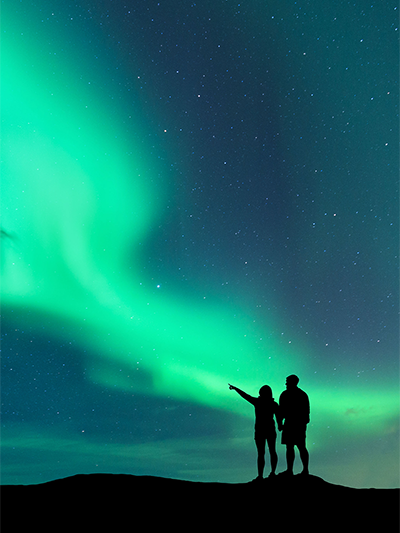
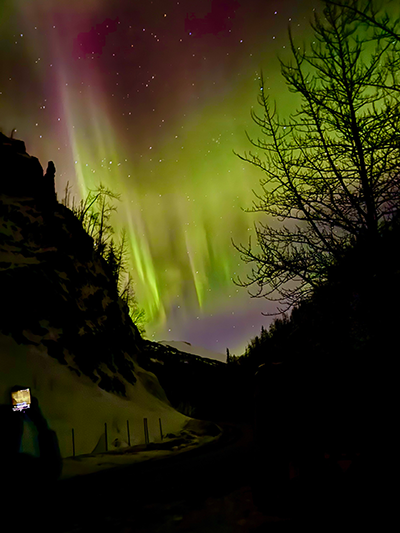
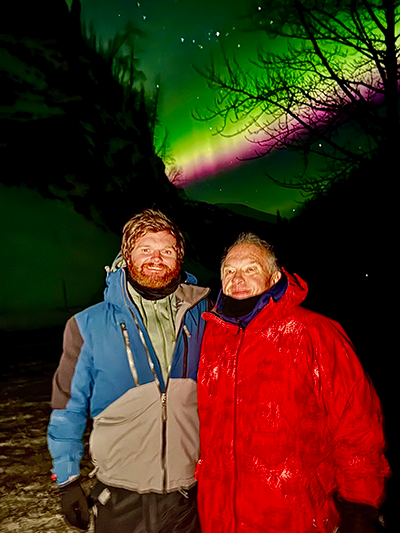
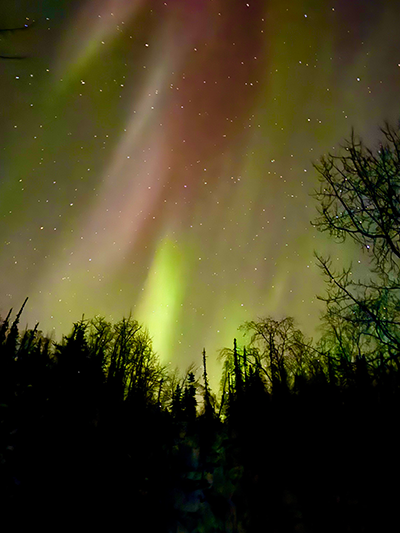
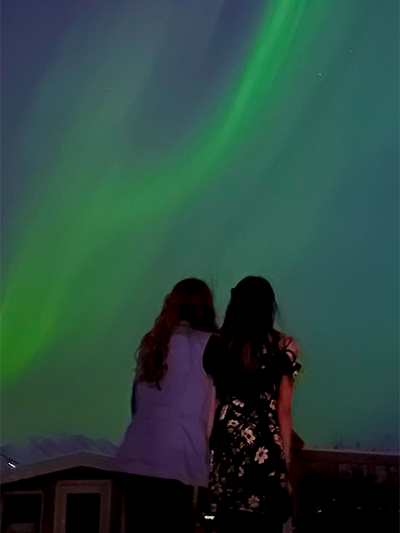
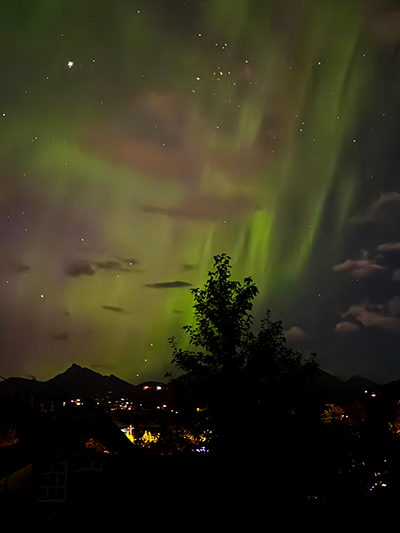
Dark-Sky Season • AnchorageNorthern Lights glowing above an Alaska landscape near Anchorage
Aurora routes and departure strategy may change with cloud movement, wind direction, darkness, roads and safe viewing opportunities. Aurora sightings are never guaranteed.
Anchorage Nighttime Experience

Anchorage Northern Lights Experience

Travel beyond Anchorage's brightest urban lights in a heated small-group van. Senior Field Scout preparation can begin around 8:00 a.m. and continue through a later 3:00 to 5:00 p.m. assessment, combining Aurora information with cloud forecasts, wind direction, terrain, roads and firsthand observations. Your professional guide uses that work to refine safe viewing locations and departure strategy while helping guests photograph the night sky and documenting the experience when conditions allow.

Seasonal Night DeparturesCheck the booking page for current dates, departure times and price
  • Season: Dark-sky months, generally late August into spring.
  • Preparation: Day-long Senior Field Scout monitoring and repeated updates.
  • Strategy: Wind direction, terrain, cloud movement and the Shadow of the Land method.
  • Transportation: Heated, high-roof passenger van.
  • Photography: Guest portraits, group photo sharing and smartphone or camera assistance.
  • Important: Aurora sightings and clear skies cannot be guaranteed.
Check Dates and Availability

Questions about weather, clothing, departure strategy or mobility? Call (907) 744-2679.
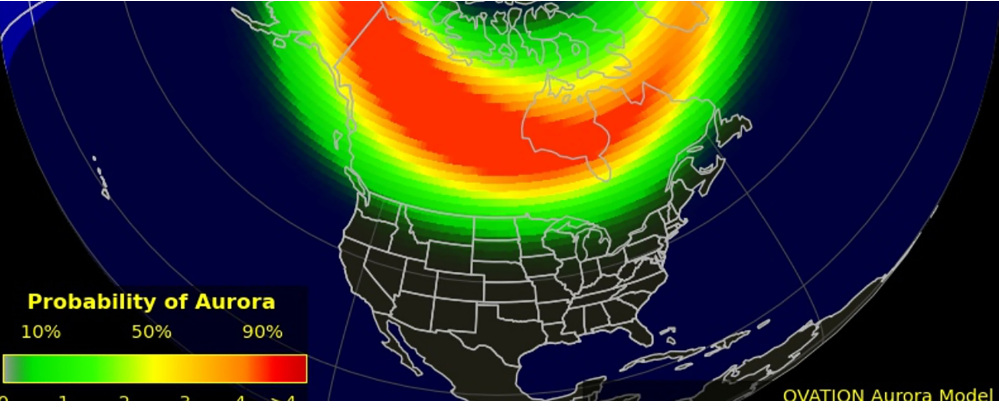
Current Night-Sky and Local Condition Reports

Senior Field Scout Preparation Before the Experience Departs

An Aurora forecast tells us what may be happening in the sky. Field scouting helps us understand what may be happening between you and that sky.

Preparation can begin around 8:00 a.m. with an initial assessment of the developing weather pattern, cloud forecasts, wind direction and potential viewing areas. Conditions are checked repeatedly because a promising morning outlook may change substantially by afternoon.

A later assessment, commonly around 3:00 to 5:00 p.m., helps refine the proposed viewing area and may influence departure timing. Monitoring continues because clouds, roads and local conditions can change even after guests depart.

A promising Aurora forecast does not guarantee visibility from the ground. Clouds, local weather, urban light and horizon conditions may block activity occurring above them. Field information gives the guide a better-informed plan but cannot control weather, create the Aurora or guarantee a display.

Technology Informed by Field Experience

Wind Direction and the Shadow of the Land Method

Technology supplies information. Field experience helps us interpret it.

PicTours' Senior Field Scout compares wind direction, terrain and expected cloud movement using what we call the Shadow of the Land method. The method helps identify places where terrain may influence local cloud and weather patterns, adding another layer of information when evaluating possible viewing areas.

This method supplements Aurora forecasts, weather tools, road information and firsthand observation. It does not replace them, and no method can guarantee clear skies or a visible Aurora display.

The practical question is not only whether Aurora activity may occur, but where terrain, wind and cloud movement may provide a better opportunity to see the sky.

How the Experience Works

Mobile Viewing, Warm Transportation and Professional Photography

The experience responds to changing night conditions rather than promising that the Aurora will appear.

Mobile, Condition-Aware Viewing

When roads, safety, available time and field observations support it, the guide may adjust the viewing location in search of a more useful opening or horizon. Mobility improves flexibility but does not guarantee clear skies.

Heated Van Comfort

Guests can warm up inside the vehicle between viewing periods. Dress for extended time outdoors because the best opportunity may require patience.

Photography and Guest Portraits

Guides help with compatible smartphones and cameras and work to photograph guests beneath the Alaska night sky when conditions allow.

Prepare for a Cold Night Outdoors

Timing, Clothing and Camera Preparation

A comfortable guest is better able to wait, watch the sky and enjoy a display if conditions become favorable.

Darkness and Timing

Anchorage's usable darkness changes rapidly through the season. Departure and return times can vary by date, field assessment and operating conditions.

Cold-Weather Clothing

Wear insulated layers, winter outerwear, warm boots, thermal or wool socks, gloves or mittens, a hat and face or ear protection. Standing still may make you feel colder than walking.

Phones, Cameras and Batteries

Charge devices, free storage space and bring a small tripod if available. Cold drains batteries quickly, so keep spare batteries or a power bank warm.

Snow and Ice

Wear footwear appropriate for the night's surfaces. Viewing areas can include packed snow, ice, uneven ground or roadside conditions.

Read the Anchorage Preparation and What to Bring Guide

A Day-Long Process and Weather-Responsive Night

What to Expect

The guest-facing experience begins at night, but the location and departure strategy may reflect many hours of earlier assessment.

1. Morning Assessment

Around 8:00 a.m., the Senior Field Scout begins reviewing the developing weather pattern, Aurora information, cloud forecasts, wind direction and possible viewing regions.

2. Repeated Monitoring

Conditions are revisited throughout the day. Terrain and wind are compared with expected cloud movement using the Shadow of the Land method.

3. Afternoon Refinement

A later assessment, commonly around 3:00 to 5:00 p.m., helps refine the proposed viewing location and may influence departure timing.

4. Pickup or Meeting

Follow the current confirmation. The guide reviews the night's conditions, expectations and safety considerations.

5. Leave Urban Light

The group travels toward an appropriate dark-sky area based on the latest field information, roads and safe access.

6. Watch, Photograph and Adjust

Guests watch the sky, receive photography help and warm up in the van as needed. The guide may adjust locations when conditions justify it.

7. Return to Anchorage

Nightly length and return time can vary, so avoid tightly scheduled early-morning commitments.

Included Aurora Vacation Photography

Be Part of Your Northern Lights Story

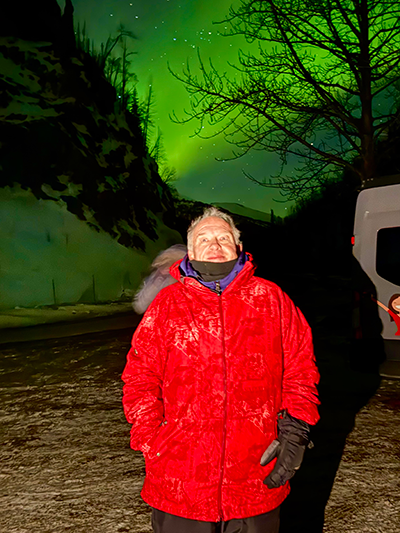
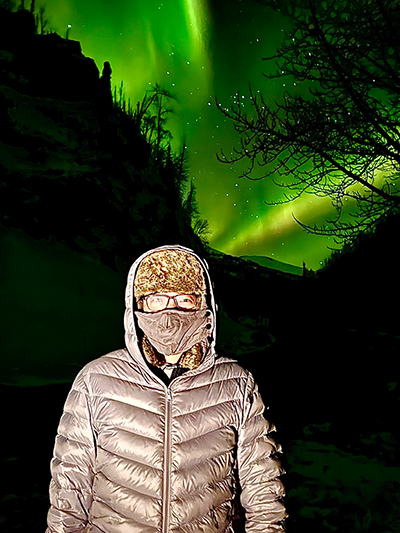
PicTours guides work to photograph guests beneath the Alaska night sky, including individual portraits, couples, families and groups when conditions allow.

Guest Portraits

When conditions permit, guides create portraits that place guests within the nighttime landscape and visible Aurora.

Smartphone Assistance

Guides can help with compatible Night Mode, stability, focus, composition and reducing movement during exposure.

Camera Assistance

Guests using compatible cameras may receive practical help with stability, focus, exposure and composition. Equipment capabilities vary.

Included Photo Sharing

Photographs captured for the group are shared through PicTours' photo-sharing service at no additional charge. A specific number of photographs is not guaranteed.

Cameras and smartphones can record Aurora color and detail differently than the unaided human eye. Results depend on Aurora brightness, cloud cover, darkness, equipment and stability.

Learn how PicTours vacation photography works

Northern Lights Trip-Planning Answers

Frequently Asked Questions

Direct answers about Aurora visibility, field preparation, photography, clothing and departure planning.

When is Northern Lights season in Anchorage?

Dark nights generally return in late August, and Anchorage Aurora viewing continues into spring. Exact operating dates and nightly availability vary, so check current dates before booking.

Will I definitely see the Northern Lights?

No. The Northern Lights are a natural event. Visibility depends on Aurora activity, darkness, cloud cover, weather, local viewing conditions and other factors. PicTours uses forecasts, firsthand observations and mobile viewing to make informed decisions, but no operator can guarantee a visible display on a particular night.

What determines whether the Aurora will be visible?

Aurora activity is only one part of visibility. Darkness, cloud cover, cloud movement, wind, weather, terrain, urban light, horizon obstructions and local viewing conditions affect whether activity in the sky can be seen from the ground.

Does a strong Aurora forecast guarantee that I will see it?

No. A forecast may indicate that Aurora activity is possible or occurring, but clouds and local conditions can block the view from the ground. A strong forecast above an overcast sky may still produce no visible Aurora for the traveler.

Why does PicTours start researching Aurora conditions so early?

Aurora planning can begin around 8:00 a.m. because the night's strategy depends on more than an Aurora forecast. The Senior Field Scout monitors weather, cloud forecasts, wind direction, terrain and potential viewing areas throughout the day. A later assessment, often around 3:00 to 5:00 p.m., helps refine the location and departure strategy. Conditions can continue changing after departure.

What is PicTours' Shadow of the Land method?

PicTours uses the Shadow of the Land method as part of its Aurora field strategy, evaluating wind direction, terrain and expected cloud movement when considering potential viewing areas. It supplements Aurora forecasts, weather information and firsthand observations rather than replacing them. No forecasting method can guarantee clear skies or visible Aurora.

How does the Senior Field Scout prepare for the experience?

The Senior Field Scout begins an initial assessment around 8:00 a.m. and repeatedly monitors Aurora information, cloud forecasts, wind direction, terrain, darkness, roads and potential viewing locations. A later assessment, commonly around 3:00 to 5:00 p.m., helps refine the location and departure strategy. These reports improve preparation but cannot guarantee clear skies or visible Aurora.

Why use a mobile Northern Lights experience instead of staying in one place?

Cloud cover and local conditions can differ across the Anchorage region. When safety, roads, available time and field observations support it, the guide may adjust the viewing location. Mobility improves flexibility but does not guarantee clear skies or visible Aurora.

What happens if there are clouds?

Cloud cover can vary by location and change during the night. When safety, roads, available time and local conditions support it, the guide may adjust the viewing location. There may still be nights when clouds remain widespread and the Aurora cannot be seen.

Can PicTours photograph me with the Aurora?

When the Aurora and local conditions allow, PicTours guides work to create individual, couple, family and group portraits beneath the night sky. Photographs captured for the group are shared at no additional charge. Visible Aurora, photographic results and a specific number of images cannot be guaranteed.

Can PicTours help with my smartphone or camera?

Yes. Guides can provide practical help with compatible smartphone Night Mode, stability, focus, exposure and composition. Guests using compatible cameras may also receive practical setup assistance. Equipment capabilities and conditions affect results.

Will the Aurora look the same to my eyes as it does in photographs?

Not always. Cameras and smartphones can collect light over a longer exposure and may record more color or detail than the unaided human eye sees. What guests perceive depends on Aurora strength, darkness, cloud cover, vision and local conditions.

What should I wear?

Dress for extended periods standing outdoors at night. Wear insulated layers, winter outerwear, warm boots, thermal or wool socks, gloves or mittens, a warm hat and protection for your face and ears. Read the Anchorage preparation guide.

How cold will I be?

Cold comfort varies by temperature, wind, clothing and time outside. Because Aurora viewing may involve standing rather than walking, guests can become cold faster than expected. The heated van provides warming periods, but guests must still dress for the night's outdoor conditions.

Is the Northern Lights experience suitable for seniors?

The experience generally uses a heated van with periods outdoors, but late-night hours, cold temperatures, uneven or snowy surfaces and vehicle step-up height should be considered. Call PicTours Alaska before booking if mobility or cold-weather comfort is a concern.

How long does the experience last?

Nightly length and return time can vary with departure time, viewing conditions, location decisions and safe travel. Use the current booking information and avoid tightly scheduled early-morning commitments.

Where does the experience depart?

Pickup and meeting arrangements can vary by season and reservation. Use the current instructions shown during booking and in your confirmation.

Should I reserve more than one Aurora night?

If seeing the Northern Lights is a priority, having more than one available night can improve flexibility because clouds, weather and Aurora activity change. Additional nights do not guarantee a sighting.

Confirm Before You Go

Pickup, Departure and Booking Information

Use the latest booking-page and confirmation details because field conditions may influence pickup arrangements, departure strategy and seasonal operations.

Anchorage

Current Meeting Instructions

Review the pickup or meeting information attached to your reservation. Contact PicTours if your hotel, arrival time or mobility needs require clarification.

Online Availability

Reserve a Northern Lights Experience

Check current operating dates, available nights, departure information and price through the shared PicTours booking page.

Explore More of Southcentral Alaska

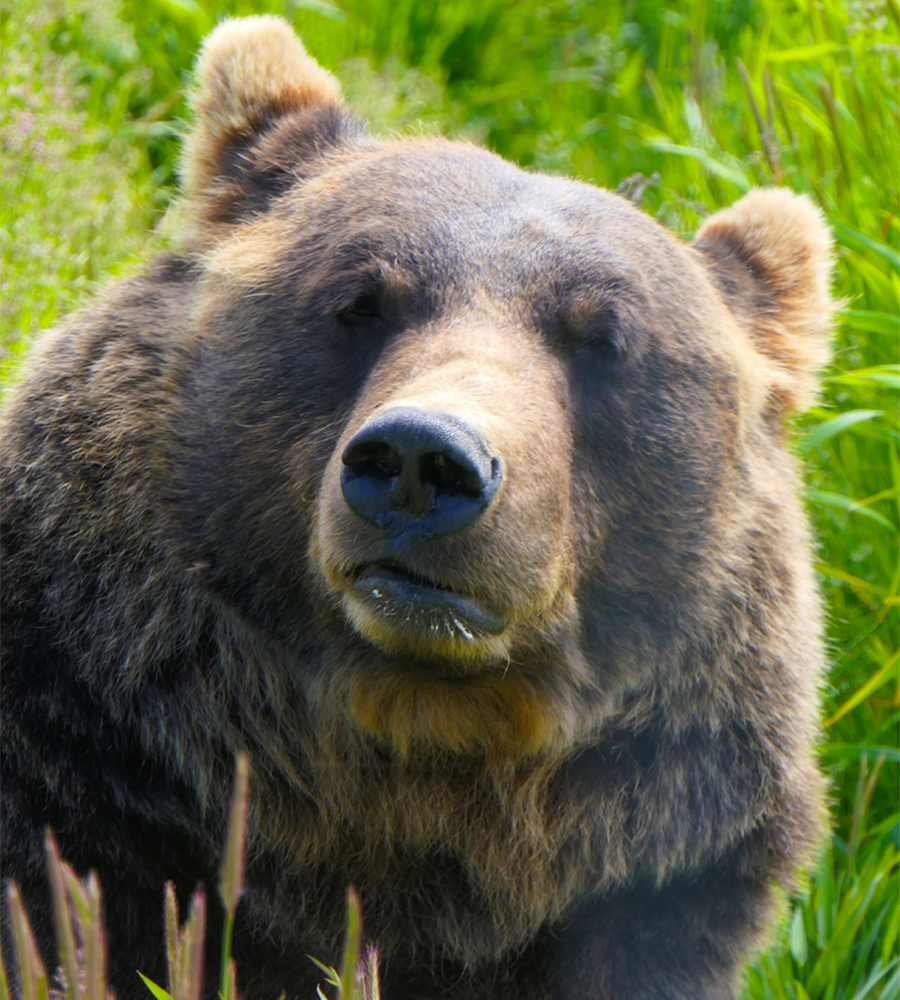
Pair a nighttime Aurora experience with a daytime wildlife, glacier or Anchorage trail experience.

Wilderness, Wildlife and Glacier Experience

Wildlife & Glacier Experience

A daytime Anchorage experience combining Turnagain Arm, guaranteed AWCC moose viewing and Glacier Valley.

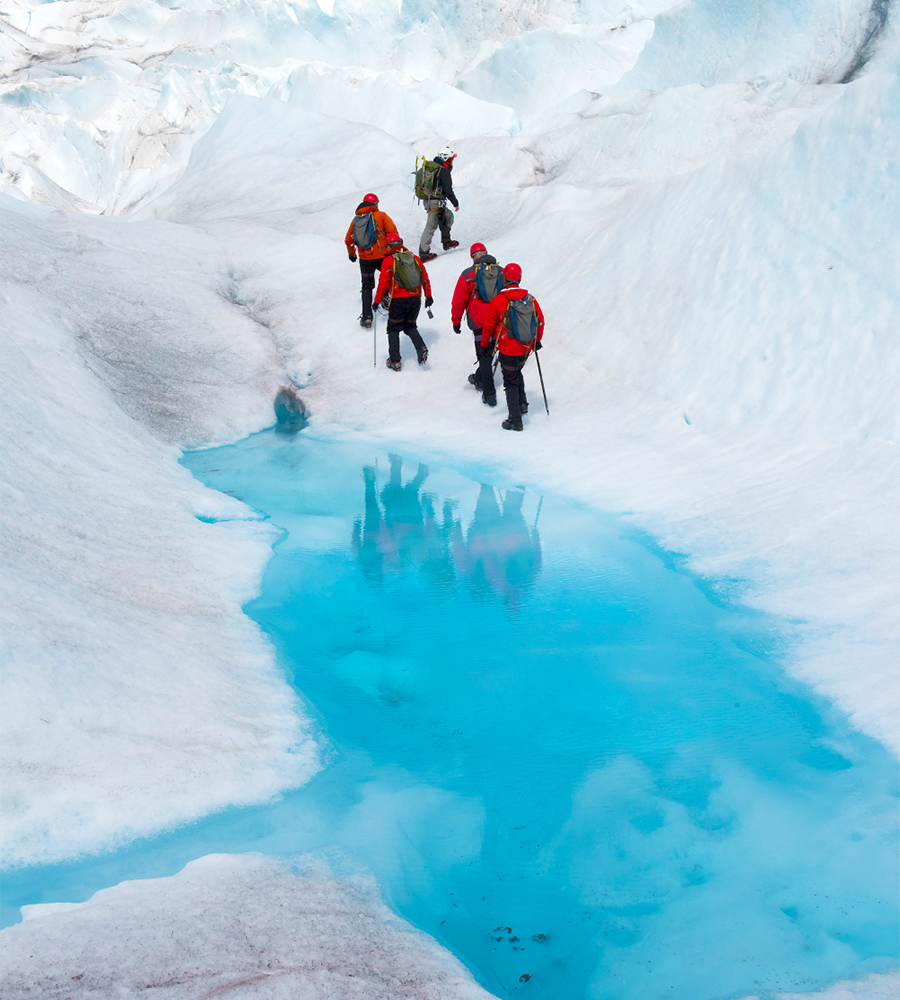
Matanuska Glacier hiking experience

Matanuska Glacier Hiking

A more active full-day experience from Anchorage with guided travel on glacier ice.

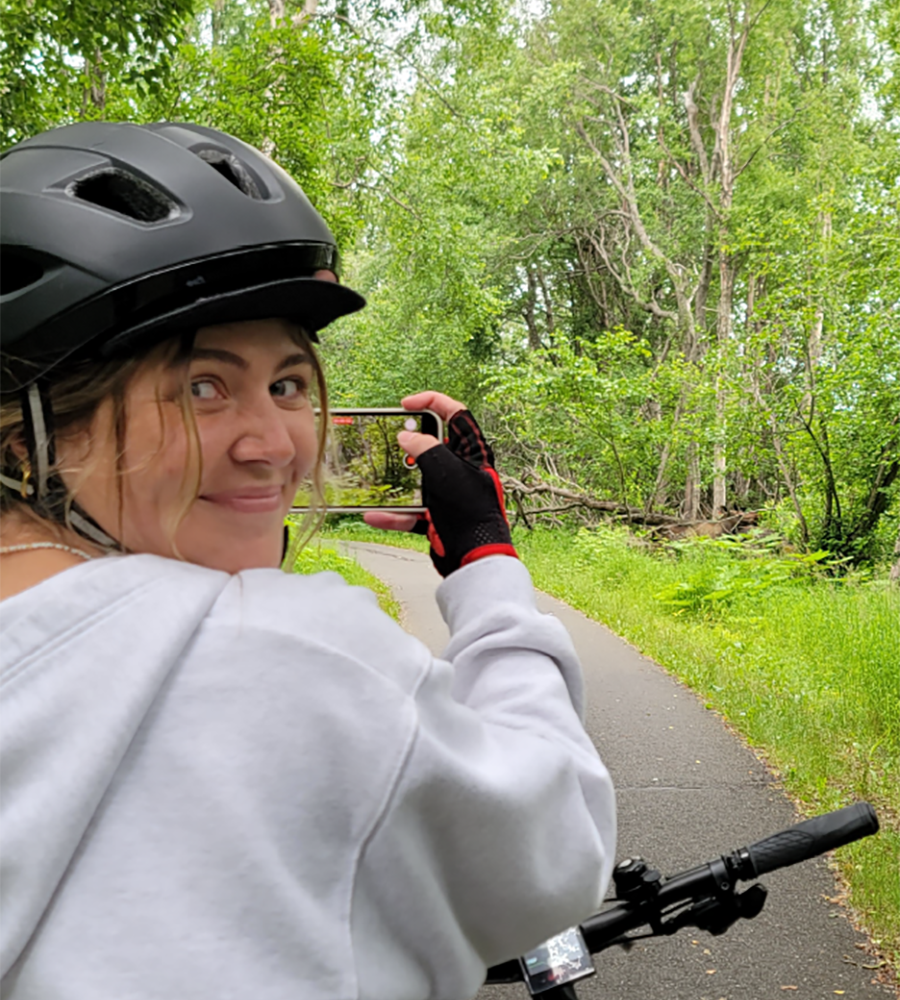
Anchorage coastal and wilderness e-bike experience

Anchorage E-Biking

A daytime Anchorage experience for travelers comfortable balancing and riding a pedal-assist bicycle.