Kincaid Moose Knowledge
Years of repeated operational observations help us recognize established moose travel routes, bedding locations, forest edges and meadows used by territorial bulls.
Locally Operated • Tripadvisor Best of the Best • Anchorage, Seward and Homer
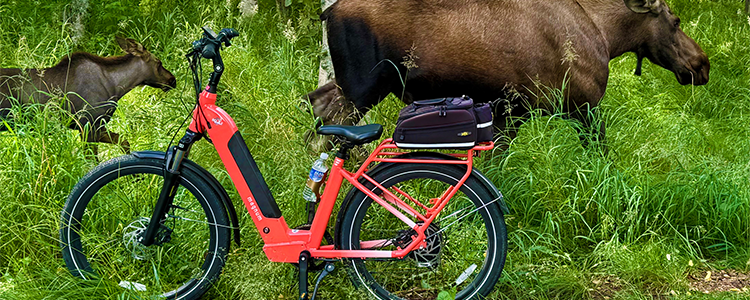
Ride Anchorage's coastal and wilderness trail system with a guide who knows Kincaid's established moose travel corridors, bedding areas and bull-moose territorial meadows through years of repeated operational observations. PicTours deliberately approaches important wildlife areas uphill with pedal assistance, allowing the group to move at a controlled pace rather than descending through habitat at bicycle speed.
Questions about bike fit, hotel pickup, balance or participation requirements? Call (907) 744-2679.
We do not simply know the route. We pay attention to what has recently been happening along it.
Years of repeated operational observations help us recognize established moose travel routes, bedding locations, forest edges and meadows used by territorial bulls.
Pedal assist lets the group approach important wildlife areas uphill without rushing. The objective is not to pass through habitat quickly. It is to experience it.
When route conditions and group abilities allow, the experience can leave pavement for the more natural environments around Point Woronzof and Point Campbell.
The lead guide teaches specific hand signals and wildlife instructions so riders can slow, stop and direct attention without depending solely on shouted commands.
A downhill bicycle can quickly build substantial speed. Moving through known wildlife habitat at roughly 20 to 30 mph is not the way PicTours wants to look for animals.
PicTours deliberately approaches portions of the Kincaid wildlife corridor uphill with pedal assistance rather than descending through it at bicycle speed. That controlled pace gives the guide and riders more time to observe the forest, meadows, travel corridors and known bedding areas.
The objective is not to pass through wildlife habitat quickly. It is to experience it.
Moose move, bears may pass through, weather shifts and trail surfaces change.
The Senior Field Scout documents recent moose and other wildlife activity, including observations near Kincaid travel routes, bedding areas and territorial meadows. Trail conditions, wind, rain, seasonal vegetation and recent activity can also help the guide understand what may be relevant before departure.
Field information improves preparation but does not guarantee that wildlife will remain in the same place. These are free-ranging animals, and the guide may adjust pace, stops or route for safety and current conditions.
Wildlife viewing from a bicycle requires communication before an animal appears.
The guide rides at the front rather than simply following behind, helping identify changing trail conditions or possible wildlife activity before the full group arrives.
Before important wildlife areas, riders learn signals used to slow, stop, maintain position and direct attention without creating unnecessary noise or confusion.
Using the PicTours method, commentary connects to what the group can see: wildlife habitat, Cook Inlet, forest ecology, seasonal changes, coastal features and wildlife signs.
The guide keeps the presentation focused on Anchorage and the environment being experienced rather than turning the ride into a generalized lecture.
The route is selected for current trail, wildlife, weather and group conditions.
Established moose corridors, bedding areas, forest edges and territorial meadows receive special attention based on repeated operational observations.
Coastal views, forest approaches and natural trail environments can connect riders with Cook Inlet and Anchorage's western landscape.
When conditions allow, the route can move beyond pavement into a more natural coastal and forest environment.
Riders may encounter walkers, runners, cyclists, families and wildlife. The guide sets a controlled pace and expects each rider to remain alert.
Pedal assist changes effort, not the fundamental skills required to ride safely.
You must be able to ride a standard bicycle confidently, mount and dismount, look over your shoulder, signal when instructed and stop under control.
Never approach wildlife. Stop only when instructed, maintain distance and allow the guide to manage the group's response.
Rain, wind, leaves, gravel, mud, standing water and trail traffic can affect grip and stopping distance.
Wear closed-toe shoes and clothing suitable for cycling. Bring water, a light waterproof layer, sunglasses, sunscreen and required medication.
PicTours works to photograph guests riding through Anchorage's coastal and wilderness environment when trail, wildlife and safety conditions allow.
Action images can show guests riding through forest, coastal and open-trail settings when it is safe to position and photograph.
Scenic stops create opportunities for individual, couple, family and group photographs.
When conditions permit, photographs may include wildlife activity, Cook Inlet, forest environments and mountain views.
Photographs captured for the group are shared at no additional charge. A specific number of photographs is not guaranteed.
Direct answers about wildlife strategy, rider ability, trail conditions, photography and hotel pickup.
PicTours combines pedal-assist riding with years of repeated operational observations in Kincaid's wildlife areas. The guide leads the group through established moose travel corridors, bedding areas and bull-moose territorial meadows, uses wildlife hand signals, provides location-specific commentary and may leave paved trail for wilderness riding near Point Woronzof and Point Campbell when conditions and group ability allow.
The published experience includes a pedal-assist e-bike, helmet, riding gloves, equipment fitting, safety orientation, a professional guide, wildlife communication instructions, location-specific commentary and vacation photography with group photo sharing at no additional charge. Confirm current equipment and inclusions before booking.
Previous e-bike experience is not generally required, but every rider must already be able to balance, steer, brake and ride a standard bicycle confidently. The orientation explains pedal assist and the controls before the group enters the trail system.
Pedal assist reduces effort but does not remove the need to pedal, balance, steer, brake, watch for hazards and respond to the guide. Wind, hills, trail traffic, unpaved surfaces and weather can increase the physical and mental demands.
PicTours deliberately approaches portions of the Kincaid wildlife corridor uphill with pedal assistance rather than descending through known habitat at bicycle speed. This controlled pace gives the guide and riders more time to observe the forest, meadows, moose travel routes and bedding areas instead of passing potential wildlife at speeds that can approach 20 to 30 mph downhill.
The experience may leave paved trail and enter more natural terrain around Point Woronzof and Point Campbell when trail conditions, weather, equipment and group abilities allow. The actual route can change for safety, wildlife activity, maintenance and surface conditions.
The guide leads the group and teaches wildlife hand signals and related instructions before entering important habitat. The signals allow the guide to slow or stop riders, communicate a possible wildlife observation and direct attention without relying only on shouted instructions.
PicTours has years of repeated operational observations along Kincaid's established moose travel routes, bedding areas and bull-moose territorial meadows. Moose are encountered regularly on these routes, but they are free-ranging wild animals and a sighting cannot be guaranteed on a particular ride.
The guide pays particular attention to established Kincaid moose travel corridors, bedding locations, forest edges and meadows used by territorial bulls. Recent Field Scout observations, seasonal conditions and wildlife activity help determine where the group slows, stops and watches.
Bears are active in Southcentral Alaska and may move through Anchorage wilderness areas, but encounters are unpredictable and cannot be guaranteed. Riders must follow the guide's wildlife instructions and maintain a safe distance from every animal.
No. PicTours uses repeated field observations, known habitat, seasonal patterns and recent route information to improve where and how the group looks for wildlife, but wild animals decide where and when they appear.
The Senior Field Scout documents recent moose and other wildlife activity, trail conditions, weather, wind and seasonal changes along established Anchorage routes. This information helps the guide understand what has recently been happening before departure, but it does not guarantee wildlife sightings or unchanged trail conditions.
Wear closed-toe shoes and clothing suitable for cycling and the forecast. Bring a light waterproof layer, water, sunglasses, sunscreen and required medication. Avoid loose garments or accessories that could interfere with the bicycle. Read the Anchorage preparation guide.
Rain, wind, standing water, leaves, gravel, maintenance, wildlife activity and trail traffic can affect grip, braking and route choice. The guide may change the route, pace, stops or operating decision based on current conditions and group ability.
Bike fit and participation requirements depend on the current equipment and operator rules. Confirm minimum age, rider height, weight limits and waiver requirements on the booking page before purchasing.
The guide must prioritize the safety of the rider and group. A guest who cannot demonstrate safe starting, stopping, steering and balance may not be able to continue onto the public trail. Review the current participation and cancellation terms before booking.
Yes, when trail, wildlife and safety conditions allow. PicTours guides work to create riding photographs, guest portraits, group images and environmental photographs. Images captured for the group are shared at no additional charge, but a specific number is not guaranteed.
Age alone does not determine suitability. Riders must safely mount and dismount, maintain balance, turn their head to monitor surroundings, brake firmly and react to changing trail conditions. Call before booking if balance, joint mobility or confidence is a concern.
Hotel pickup may be available during the off-season and can also be arranged in advance for qualifying groups. Availability depends on the date, group size, vehicle, e-bike schedule and operating conditions. Confirm transportation with PicTours before relying on hotel pickup.
The experience normally meets at the confirmed local outfitter location, with current address and arrival time provided in the booking confirmation. Hotel pickup may be available during the off-season or through advance group arrangements.
The e-bike experience normally uses a local outfitter meeting point. Off-season hotel pickup or advance group transportation may be available when confirmed.
Use the exact outfitter address, parking information and arrival time in your reservation details. Meeting arrangements can change.
Hotel pickup may be available during the off-season or through advance arrangements for qualifying groups. Confirm availability before relying on transportation.
Check current dates, departure times, rider requirements, price and cancellation terms through the shared booking page.
Choose vehicle-based sightseeing, a more active glacier day or a seasonal nighttime experience.
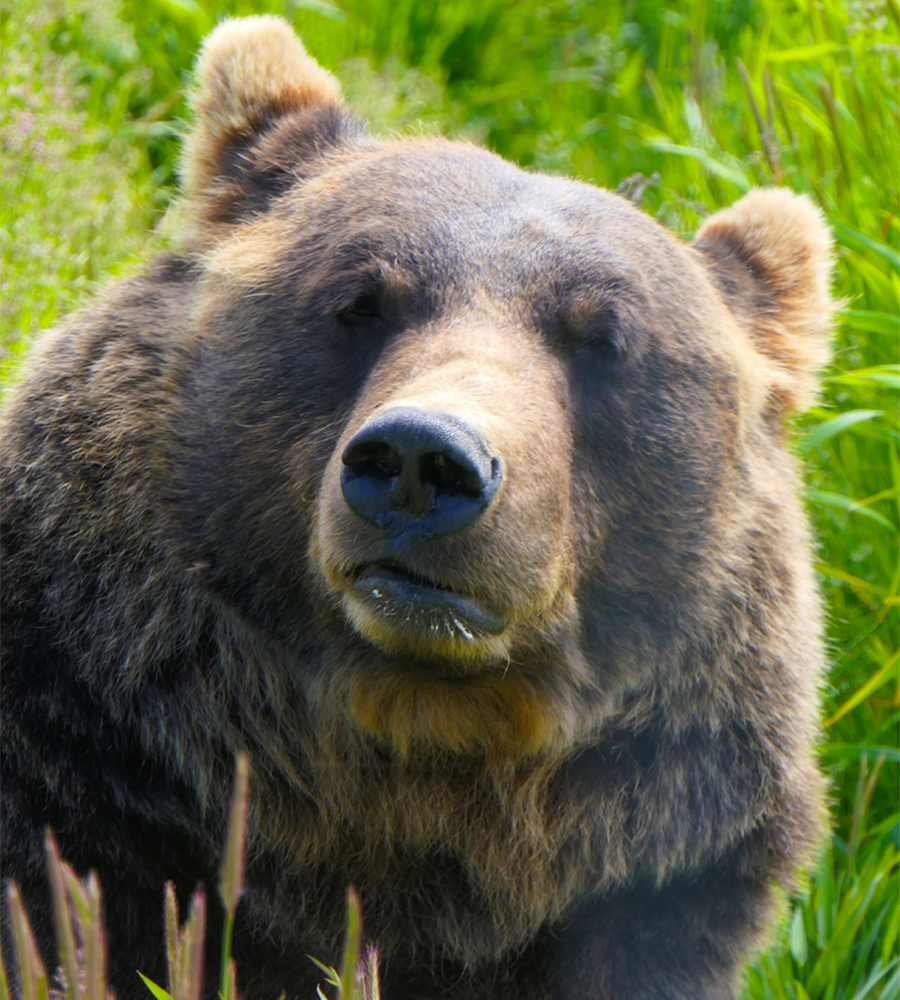
A vehicle-based Anchorage experience with shorter walks, guaranteed AWCC moose viewing and Glacier Valley.
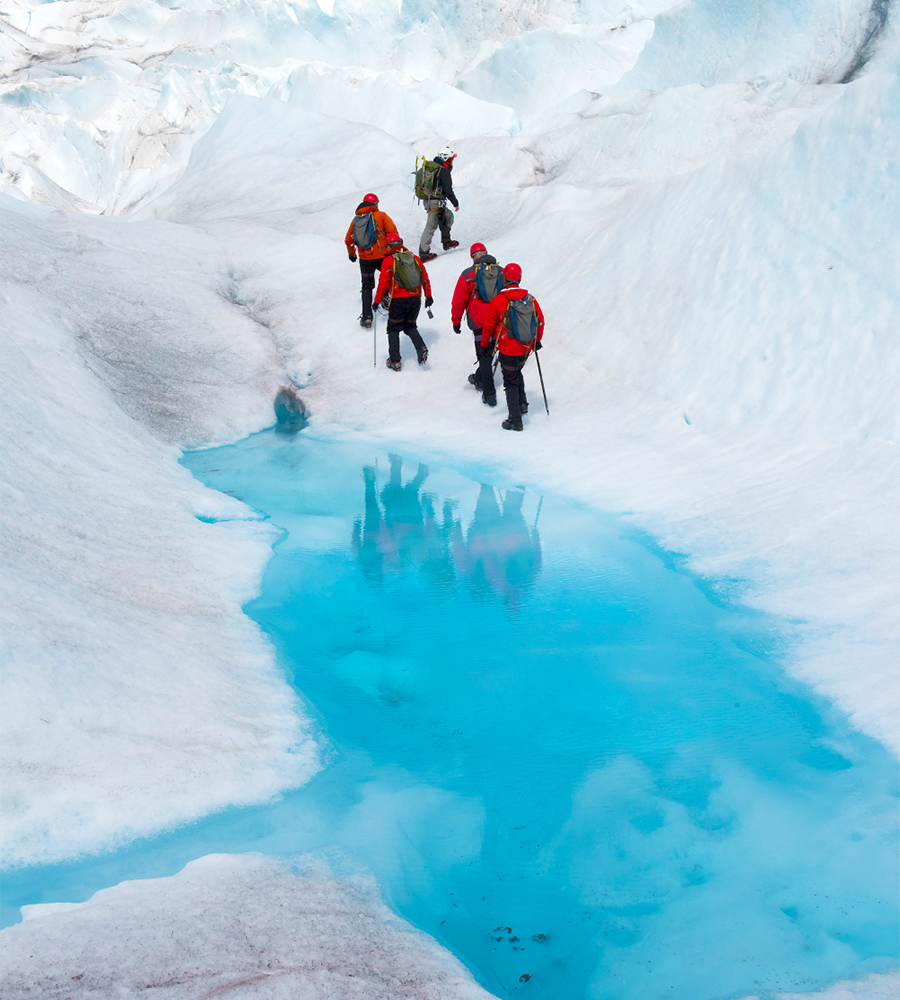
A more active full-day experience from Anchorage with guided travel on glacier ice.
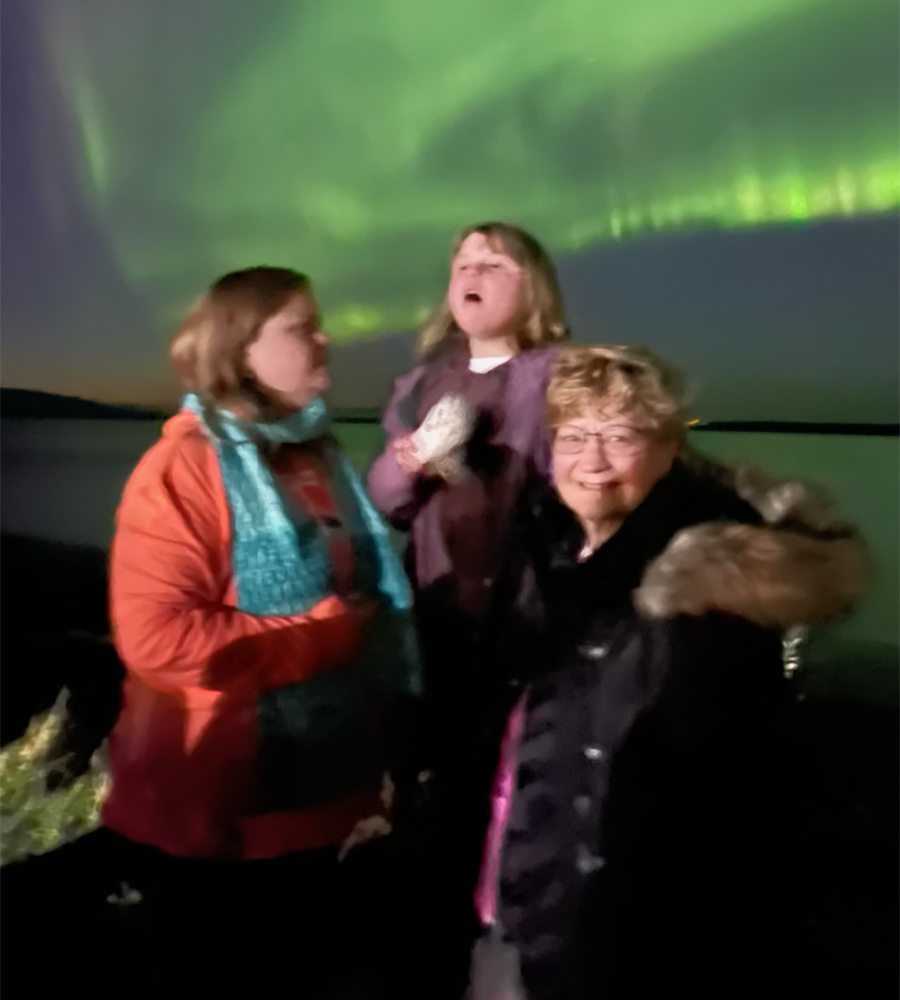
A seasonal nighttime experience from Anchorage during dark-sky months.